
 Travis County Pretrial Services and Diversion Explained
Pretrial services programs help people who have been arrested avoid spending unnecessary time in jail while waiting for their criminal cases to be resolved. Just because someone has been arrested does not mean they have been convicted of a crime. However, many people remain in jail simply because they cannot afford to pay the amount required for their release.
Travis County Pretrial Services helps judges make more informed decisions about whether someone can safely be released from jail while their criminal case is pending. The goal is to allow eligible people to return home, continue working, support their families, and prepare their defense instead of sitting in jail waiting for their day in court.
Understanding Bail, Bond, and Pretrial Release
When someone is arrested, a judge may allow them to leave jail while their criminal case moves forward. This is called pretrial release.
Depending on the circumstances, the person may need to pay money, use a bail bondsman, or simply promise to return to court and follow certain rules.
For example, someone arrested for a first-time DWI might be allowed to leave jail after posting a bond. In some cases, the judge may allow the person to leave without paying money through what is called a personal recognizance bond, sometimes referred to as a personal bond.
Regardless of how someone is released, they must follow the conditions established by the court. These conditions might include attending court hearings, checking in with pretrial services, avoiding alcohol or drugs, or staying away from certain people.
The problem is that someone who cannot afford bond may remain in jail even when they have a steady job, a family to support, and strong ties to the community. Pretrial services helps the judge understand these circumstances before deciding whether release is appropriate.
How Pretrial Services Help Judges Make Release Decisions
Before deciding whether someone should be released from jail, a judge needs to understand more than just the criminal charge.
Travis County Pretrial Services helps gather information about the person who was arrested, including where they live, whether they have a job, their family responsibilities, their criminal history, and their connections to the community.
Pretrial services staff may verify this information by reviewing records, speaking with the person who was arrested, or contacting references.
For example, imagine that John is arrested for a first-time DWI. He has lived in Austin for 15 years, works full-time, supports two children, and has never missed a court appearance. Pretrial services may provide information about John’s circumstances to help the judge decide whether he can be released and what conditions, if any, are necessary.
This information can help the judge make a fairer decision instead of relying solely on the criminal accusation.
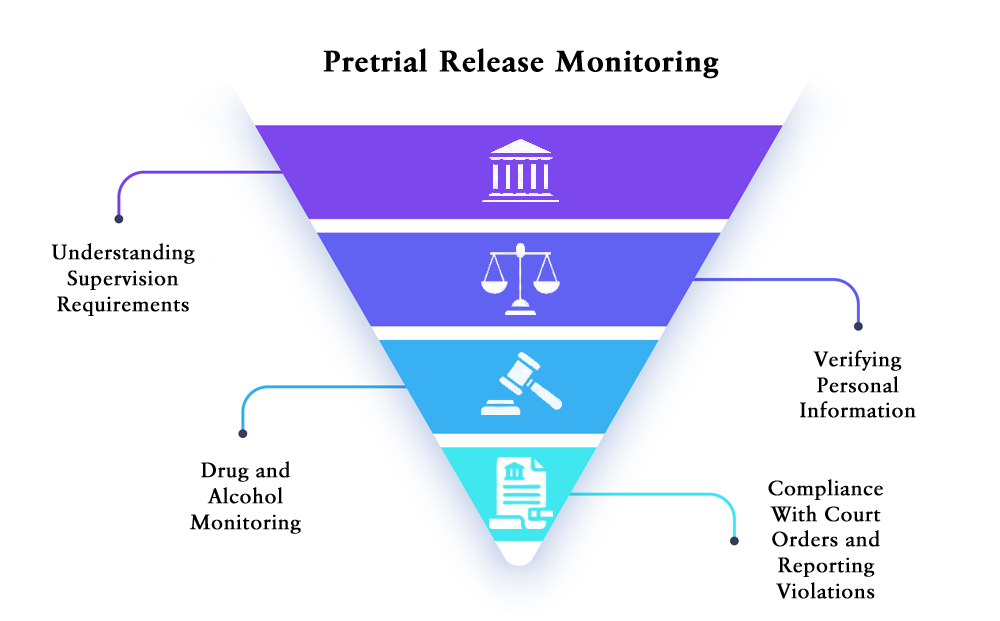 How Pretrial Services Monitor Defendants After Release
The work of Travis County Pretrial Services does not necessarily end when someone gets out of jail.
If the judge orders pretrial supervision, the person may be required to check in regularly, complete drug or alcohol testing, or follow other rules while their criminal case is pending.
Depending on the judge’s orders, a Travis County Pretrial Services officer may be responsible for:
- Explaining the rules of release: Making sure the person understands when to check in, where they can travel, and what activities are prohibited.
- Monitoring alcohol and drug use: Arranging required drug tests, alcohol testing, or monitoring through devices such as an ignition interlock or SCRAM bracelet.
- Confirming personal information: Verifying the person’s address, employment, and other important details.
- Making sure court orders are followed: Tracking required check-ins, appointments, and other conditions of release.
- Reporting violations to the judge: Notifying the court if someone misses an appointment, fails a drug test, or breaks another condition of release.
Not everyone released from jail will have the same requirements. The rules depend on the criminal charge, the person’s circumstances, and the conditions ordered by the judge.
Pretrial services officers do not act as defense attorneys and cannot independently change the rules established by the court.
What Happens If You Violate Pretrial Release Conditions?
Being supervised by pretrial services can feel similar to being on probation, but there is an important difference: You have not been convicted of the crime you are accused of committing.
Nevertheless, violating the conditions of your release can have serious consequences.
For example, imagine that Sarah is arrested for DWI and released on bond. The judge orders her not to drink alcohol while her case is pending.
A month later, Sarah tests positive for alcohol during a required screening. Her pretrial services officer reports the violation to the court.
Depending on the circumstances, the judge could require more frequent testing, order additional alcohol monitoring, increase restrictions, issue an arrest warrant, or revoke her bond and send her back to jail.
Even something that seems minor, such as forgetting an appointment or missing a drug test, can create serious problems.
Why Following Pretrial Release Conditions Is Important
If you have been released from jail under the supervision of Travis County Pretrial Services, it is important to understand and follow every condition established by the judge.
This includes attending required appointments, completing any drug or alcohol testing, appearing in court, and following restrictions on travel or personal activities.
However, following every rule is not always easy.
For example, someone who works long hours might have difficulty attending appointments during business hours. Another person may not have reliable transportation to a testing facility. Someone else might struggle to afford the cost of an ignition interlock device or alcohol monitoring equipment.
If you are having trouble meeting any of these requirements, contact your criminal defense attorney immediately rather than simply missing an appointment or violating a condition.
An experienced criminal defense lawyer can ask the judge to change unreasonable or unnecessarily restrictive bond conditions, request more affordable alternatives, and defend you against alleged violations.
The goal is to keep you out of jail, protect your ability to work and support your family, and preserve your freedom while your attorney fights the criminal charges against you.
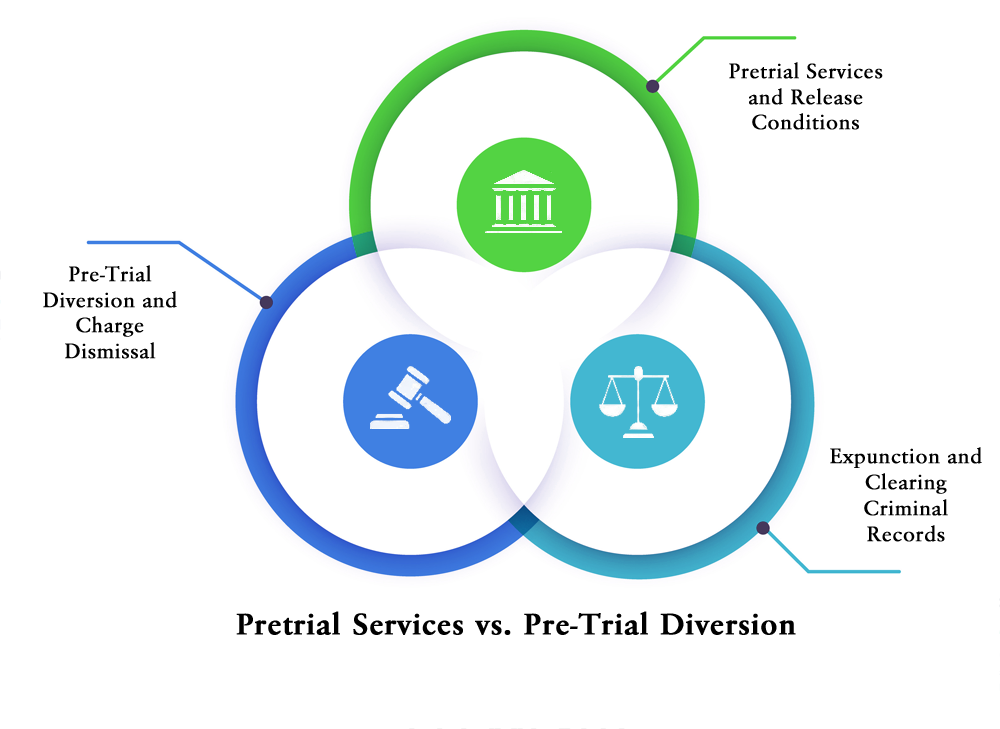 What Is the Difference Between Pretrial Services and Pre-Trial Diversion in Travis County?
Although they sound similar, Travis County Pretrial Services and Pre-Trial Diversion serve two very different purposes. Pretrial Services helps people stay out of jail while their criminal cases are pending, while Pre-Trial Diversion offers eligible defendants a chance to have their criminal charges dismissed without pleading guilty or being convicted.
Travis County Pretrial Services helps people who have been arrested remain out of jail while their criminal cases move through the court system. Instead of sitting in jail waiting for their case to be resolved, defendants may be released under certain rules, such as checking in regularly, submitting to drug or alcohol testing, or avoiding further legal trouble. Pretrial Services makes sure defendants follow these rules, but it does not dismiss criminal charges.
For example, imagine John is arrested for DWI in Austin. After his arrest, a judge allows him to leave jail under certain conditions. John must check in with Pretrial Services, avoid drinking alcohol, and use an ignition interlock device in his vehicle. As long as he follows the court’s orders, he can continue working, supporting his family, and living at home while his attorney fights the criminal charge.
Pre-Trial Diversion offers a different opportunity. Instead of simply helping someone stay out of jail, it provides eligible defendants with a possible path to getting their criminal charges dismissed without pleading guilty or receiving a criminal conviction.
For example, imagine Sarah, a 23-year-old college graduate, is arrested for a first-time misdemeanor offense. She has never been in trouble with the law and worries that a criminal conviction could damage her career before it even begins.
Her criminal defense attorney negotiates an agreement with prosecutors allowing her to participate in Pre-Trial Diversion. Instead of pleading guilty, Sarah agrees to complete educational classes, perform community service, follow certain rules, and stay out of trouble for 12 months.
If Sarah successfully completes the program, the prosecutor dismisses her criminal charge. She avoids a criminal conviction and may also qualify to have her arrest record expunged.
Expunction is a separate legal process that allows eligible individuals to have qualifying arrest and court records removed or destroyed. Once a judge grants an expunction, Sarah can generally legally deny that the arrest ever happened, helping protect her future employment, housing, and educational opportunities.
Pretrial Services helps someone stay out of jail while fighting a criminal charge. Pre-Trial Diversion gives eligible defendants an opportunity to get their charges dismissed and potentially erase the arrest from their record. Depending on the circumstances, someone may participate in both programs during the same criminal case.
Call (512) 829-3081 24-Hours a Day. Our Office is One Block from Jail.
24-Hour Contact Form
Phone
(512) 829-3081
Address
The Law Office of Ken Gibson
812 San Antonio St #100
Austin, TX 78701